
Connecting Changchun to the World, Stepping Towards the Future: An Exclusive Interview with FISU President Leonz Eder by Xinhua News Agency
With dreams woven from ice and snow and youth dancing in harmony, the northern spring city of Changchun, Jilin Province, extends a sincere invitation to the world. On the 26th, Leonz Eder, President of the International University Sports Federation (FISU), announced that Changchun had successfully secured the bid to host the 2027 33rd Winter Universiade.
This marks the return of this major winter sports event to China after the 24th Winter Universiade held in Harbin in 2009. It also represents another significant comprehensive international ice and snow sports event to be hosted in China, following the 2022 Beijing Winter Olympics and the 2025 Harbin Asian Winter Games.
Why Changchun? How will the preparations for the event unfold? What impact will the Winter Universiade have on ice and snow sports in China and across the globe? In an exclusive interview with Xinhua News Agency, Eder responded to these questions one by one. He stated that the 33rd Winter Universiade would use ice and snow as a medium to build a bridge connecting the world and paving the way to the future.
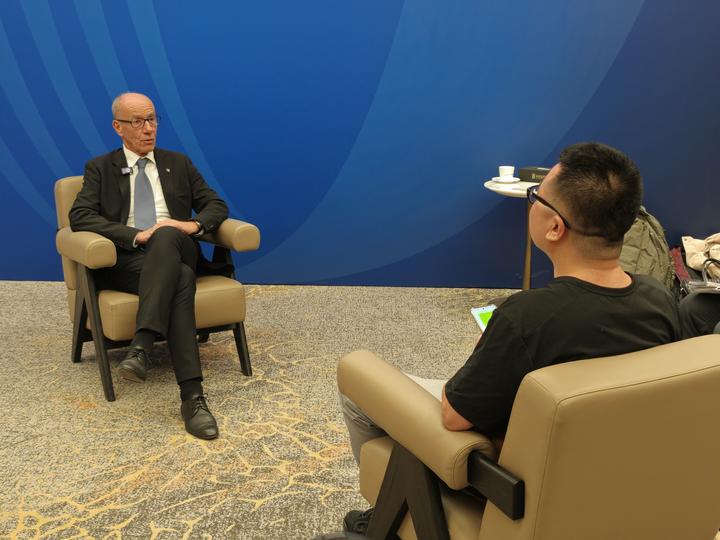
Since his first visit to China in 1985, Eder has traveled to the country more than thirty times over the past four decades, leaving his footprints in numerous cities such as Beijing, Harbin, Shenzhen, and Chengdu. "China is the country I have visited the most times in my life," he said candidly.
This June, Eder made his very first trip to Changchun, Jilin Province, where he conducted on-site inspections of several ski resorts and related sports facilities. "In Changchun, I not only witnessed the city's unique charm but also felt the vibrant pulse of modern ice and snow sports development. The warmth and hospitality of the people of Changchun made me feel right at home," he said.
When discussing the "key" to Changchun's successful bid, Eder described the choice as "simple and clear." He listed several key factors: Changchun's bid submission was detailed and comprehensive, its ice and snow sports infrastructure was well-developed, governments at all levels attached great importance to and provided strong support, the city boasted rich experience in organizing domestic and international events, especially in ice and snow sports, and Changchun was home to a large number of universities, with over 600,000 college students, providing a solid volunteer talent pool. "These elements have laid the groundwork for Changchun's successful bid," he said.
In Eder's view, the preparations for the Changchun Winter Universiade will continue to leverage China's unique advantages in hosting large-scale international events. "China has developed its own model and experience in organizing major international events. From the Beijing Olympics to the Universiades in Shenzhen and Chengdu, each event has achieved innovation and breakthroughs based on previous experiences," he said.
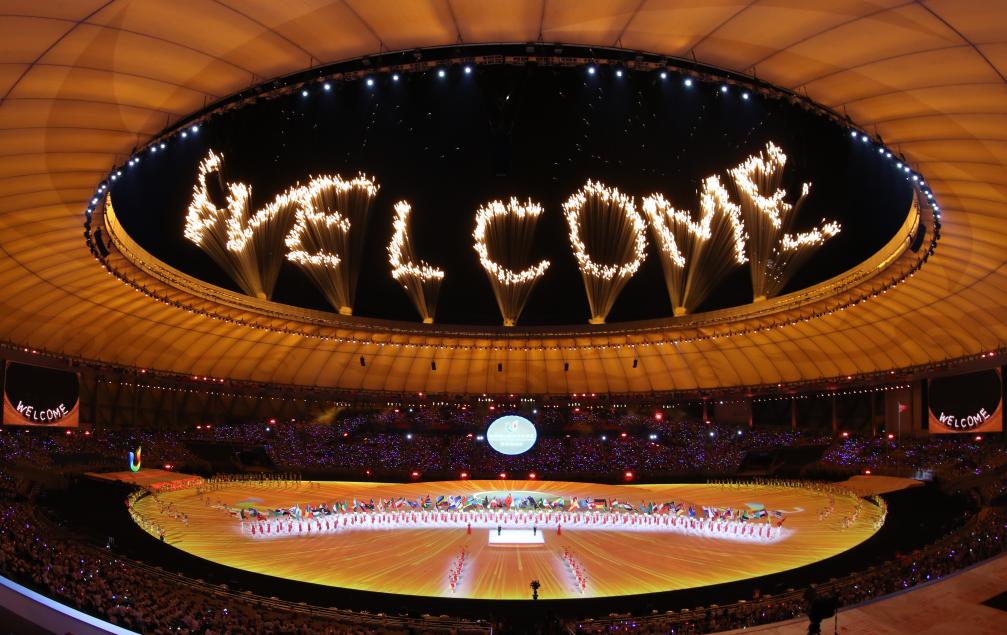
He revealed that FISU would establish a comprehensive and in-depth cooperation with the organizing committee. Not only will it station full-time staff in Changchun, but it would also establish a regular consultation mechanism to promptly provide feedback and collaboratively resolve issues ranging from technical details to reception services.
"I would like to emphasize that during the preparation process, FISU is not here to dictate to the local organizing committee. Instead, we aim for cooperation, shared benefit, and mutual achievement, working hand in hand to devote our utmost efforts to the success of the event," Eder said.
When asked about the different charms of the Winter and Summer Universiades, Eder humorously pointed out that the "temperature difference" was the most obvious one. However, he emphasized the consistency in their spiritual cores. The Summer Universiade typically features a larger scale and more events, while the Winter Universiade also carries the mission of fostering youth growth and facilitating the mutual understanding and integration of diverse cultures, which is the common thread of the Universiade spirit that transcends seasons.
"Whether in winter or summer, the core of the Universiade has always been to use sports as a bond to unite young people from around the world, allowing them to compete and exchange skills, spark ideas through communication, and deepen understanding through mutual learning, ultimately transmitting friendship and respect that transcend national borders," Eder said.
Eder underscored that international university sports exchanges play an indispensable role in promoting global youth unity. Face-to-face interactions help young athletes forge genuine friendships and enhance mutual understanding, equipping them to better tackle future challenges. "The younger generation represents the leaders of tomorrow, and sports serve as a vital bridge for their communication, cooperation, and growth," he said.
Eder also highlighted the multifaceted value of the "legacy" of the Winter Universiade: the event venues will continue to serve the public for fitness, school training, and club activities; the outstanding performances of athletes will inspire more people to embrace a healthy lifestyle; the service spirit of volunteers will permeate the city's daily life; and the Chinese stories shared through social media will reach a global audience.
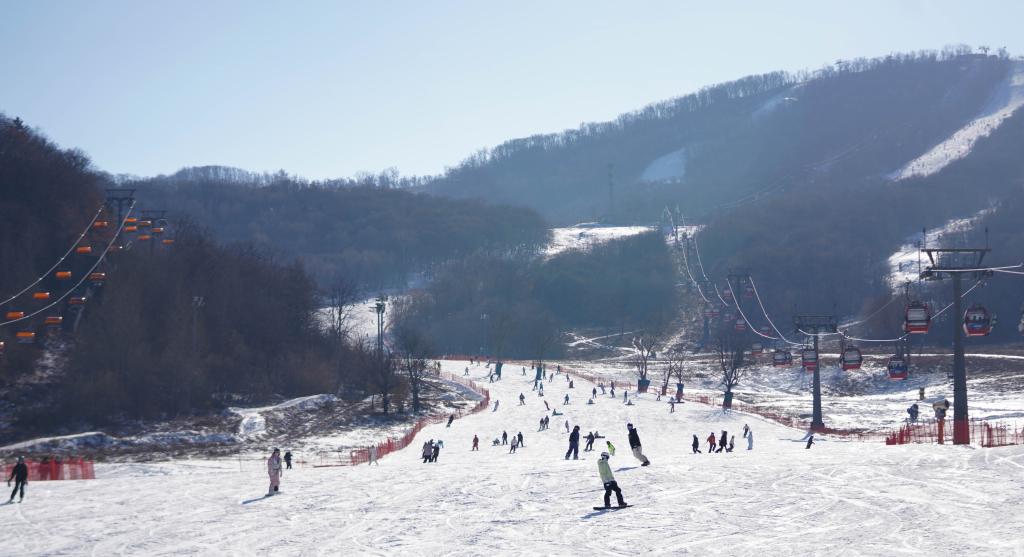
"Sports is an invisible bridge that connects us and leads to the future," Eder said. The history of the Winter Universiade is a collective narrative written by each hosting city, and Changchun will undoubtedly leave an indelible mark.
"When the event concludes, if all participants can depart with a sense of fulfillment, feeling that every effort has been worthwhile, that will be our greatest triumph," he said.
Source: Jilin Release Editor: Liu Jiadi


