
Nine Historical and Cultural Blocks in Changchun
Changchun was approved as a National Famous Historical and Cultural City in 2017. It currently has nine historical and cultural blocks, including Renmin Street, Xinmin Street, the Palace Museum of the Manchurian Regime, South Square, the First Automobile Works, the Chinese Eastern Railway Kuanchengzi Station, the Commercial Port Area, Kuanchengzi, and Changchun Film Studio.
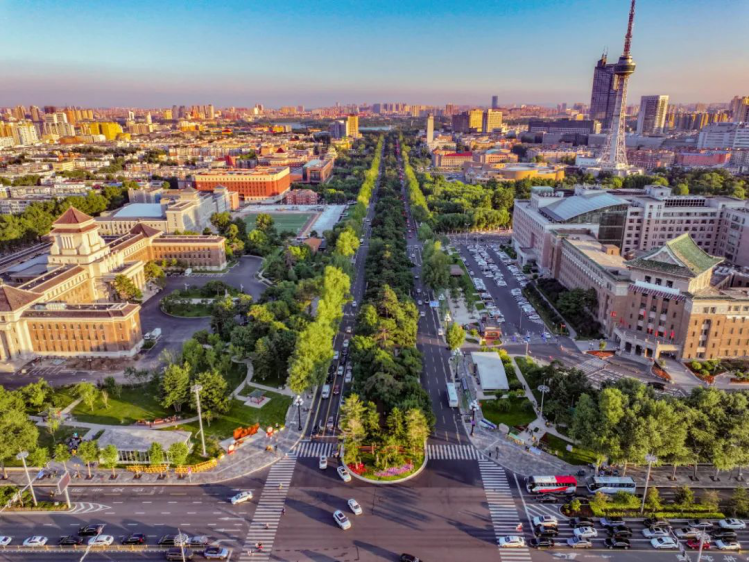
Renmin Street Historical and Cultural Block: With a history of over a century since its planning and construction began in 1907, Renmin Street has undergone multiple name changes (formerly known as "Changchun Street", "Zhongyangtong", "Datong Street", "North Section: Zhongshan Street; South Section: Zhongzheng Street", and "Stalin Street") across various periods from the South Manchuria Railway Zone period and the Manchukuo's "Xinjing" Period to the founding of the People's Republic of China and the reform and opening-up period. It has witnessed the evolution of Changchun's political landscape and the remarkable achievements of the city's development. As the central axis of Changchun's urban growth, it is also the city's most representative street. The block spans three districts—Kuancheng, Chaoyang, and Nanguan—extending from Changchun Railway Station in the north to the Changchun Municipal People's Government in the south, including Renmin Street and its adjacent street-front areas.
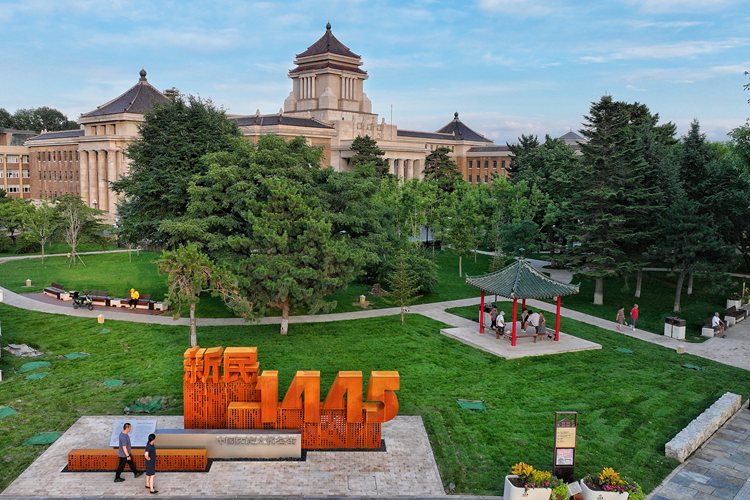
Xinmin Street Historical and Cultural Block: As an important carrier of several historical periods from the Manchukuo era to the present, Xinmin Street has endured a century of changes, yet its architecture, spatial layout, and landscape environment remain well preserved. Located in Chaoyang District, the block extends east to the line formed by East Minzhu Street, Xinjiang Street, and Gongnong Road, west to the line formed by West Minzhu Street, Wanbao Street, and Yan'an Road, south to the southern wall of Nanhu Hotel, and north to the Imperial Garden.
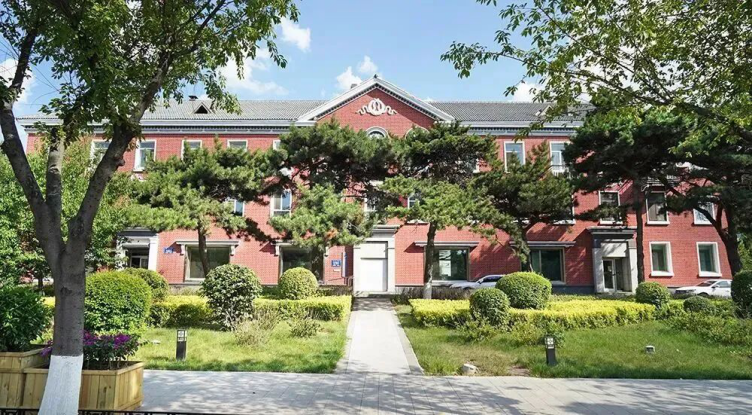
FAW Historical and Cultural Block: Known as the cradle of China's automobile industry, the area documents the development and innovation of the country's automotive manufacturing techniques. As one of the earliest and largest industrial zones and supporting residential areas built in the PRC, it preserves a large number of distinctive buildings that blend traditional Chinese and Soviet architectural styles from that era. Located in the Automobile Economic and Technological Development Zone, the block extends north to the northern boundary of the FAW Administrative Affairs Center, east to Chuncheng Street, south to the Harbin-Dalian Railway, and west to Road No. 7 in the FAW automobile manufacturing factory area.
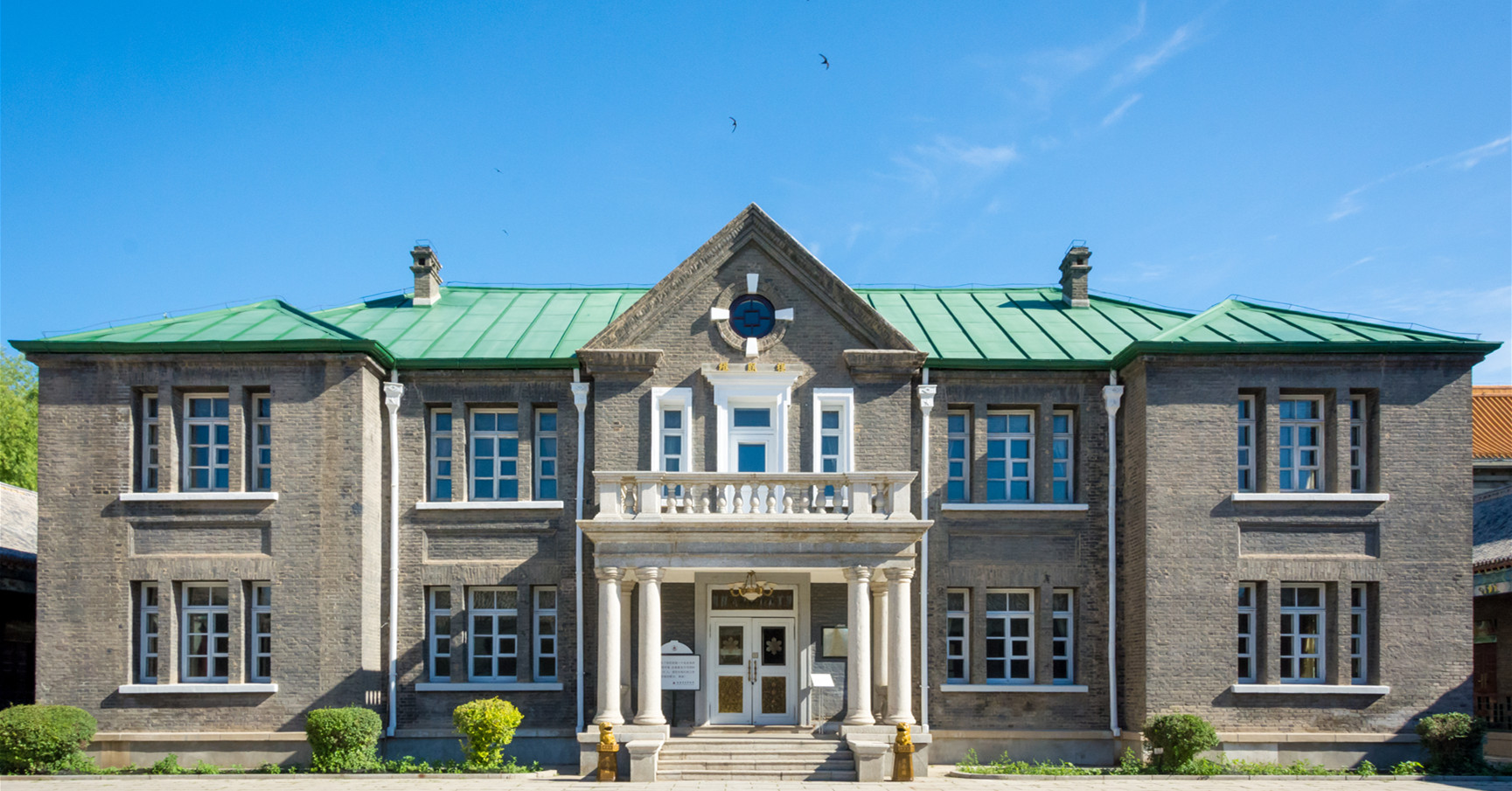
Historical and Cultural Block of the Palace Museum of the Manchurian Regime: This block bears witness to both the puppet regime of Puyi and Japan's invasion of China, embodying the political landscape of the Manchukuo period. It is a critically important demonstration base for patriotic education and a memorial to the War of Resistance Against Japanese Aggression. Located in Kuancheng District, the block extends east to the Changchun-Tumen Railway, south to Guangfu Road, west to Xingqi Alley, and north to Changli Road, East Batiao Street, Changbai Road, and Yongning Road.
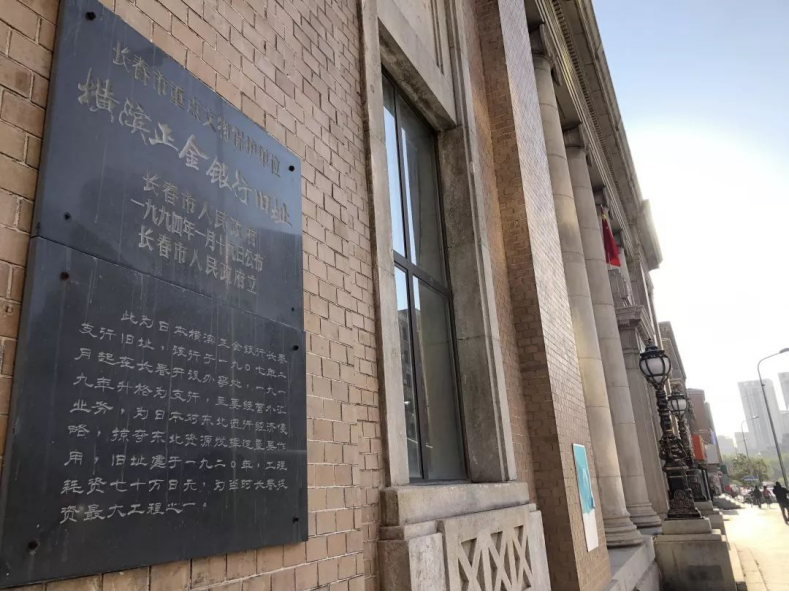
South Square Historical and Cultural Block: Featuring a mix of financial, commercial, office, hospital, and residential functions, the block best reflects the prosperity of Changchun during the South Manchuria Railway Zone period. Located in Kuancheng District, it extends north from Huanghe Road, south to Xinfa Road, west to the line formed by East Ertiao Street, Nanjing Street, and Xinlun Alley, and east to the line formed by East Sitiao Street, Wusong Road, and Guiyang Street.
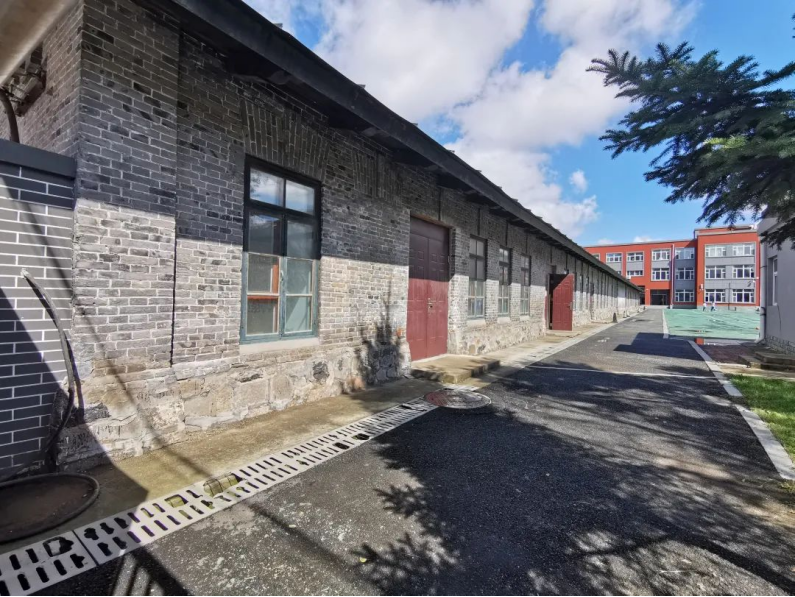
Chinese Eastern Railway Kuanchengzi Station Historical and Cultural Block: The Chinese Eastern Railway was a tool of Tsarist Russia's aggression against China, and the construction of its concession area documented this history of invasion in Northeast China. Located in Kuancheng District, the block extends east to Yingsheng Street, west to the planned Jiche 1st Street, north to Yikuang Street and the peripheries of the protection area of the former site of the Kuangchengzi Tsarist Russian Railway Station Club and the northern residential building of the former site of Tsarist Russian Officers' Barracks, and south to Changsheng Street, Changling Street, and the periphery of Building No. 1 of Yongfeng Alley.
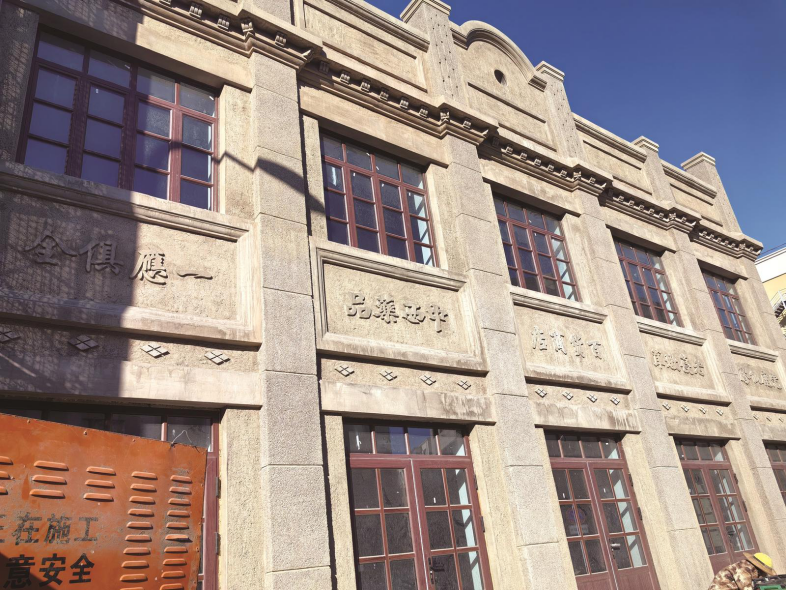
Commercial Port Area Historical and Cultural Block: Situated in Changchun's first commercial port area, which was independently planned and constructed based on modern urban development concepts, the block's buildings and time-honored brands testify to the history of national industries and traditional Chinese commercial activities. Located in Nanguan District, the block extends east to the east side of Dingfengzhen, Dama Road, and the alley east of the People Theatre, west to the east side of Yongchun Mall, south to West 4th Road and East 4th Road, and north to West 5th Road and East 5th Road.
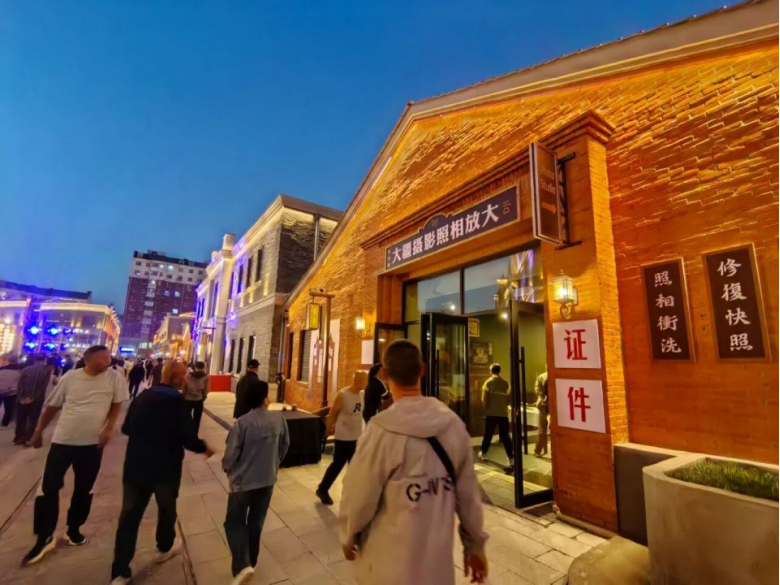
Kuanchengzi Historical and Cultural Block: Having endured over 200 years of history spanning the late Qing Dynasty, the Reign of Japan and the Puppet Regime, and the Republican era, it is the only historical and cultural block located within the old Kuanchengzi area. It reflects the typical characteristics of traditional living spaces in Northeast China. Located in Nanguan District, the block extends north and northwest to Xingsheng Road, east to Dongtian Street, and southwest to Laian South Street.
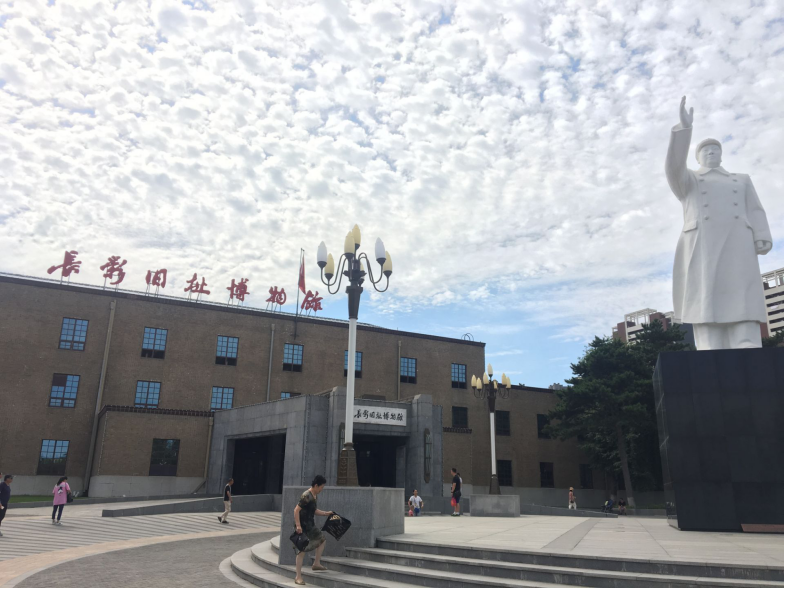
Changchun Film Studio Historical and Cultural Block: As the first film production enterprise in the history of the PRC, this block has preserved the original buildings and spatial layout from the "Man'ei" period, and stands as a testament to the spirit of the times and the development of China's film industry. Located in Chaoyang District, it consists of two sections. The first stretches northwest to Hongqi Street, southwest to Huxi Road, southeast to the outer wall of Changchun Film Studio's Seventh Soundstage, and northeast to the outer walls of the First, Second, and Third Soundstages. The second section encompasses the area of the former Little White Building of Changchun Film Studio.